
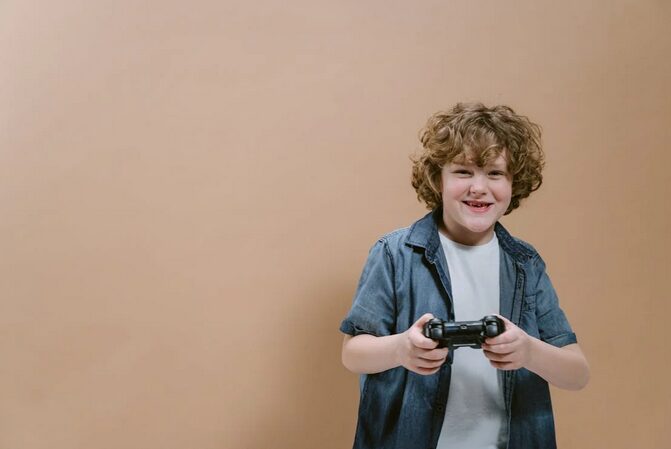
Choosing video games for children can feel like stepping into a digital labyrinth, with hundreds of options, genres, and age ratings. Parents want to offer games that are fun, engaging, and educational, yet the wrong choices can have unintended effects on behavior, attention, and even social skills. It’s easy to feel overwhelmed by flashy graphics, popular franchises, or peer recommendations. However, with some careful consideration, you can select games that genuinely enrich your child’s playtime. Avoiding common pitfalls is the first step toward a safer, more enjoyable gaming experience.
Ignoring Age Ratings and Content Warnings
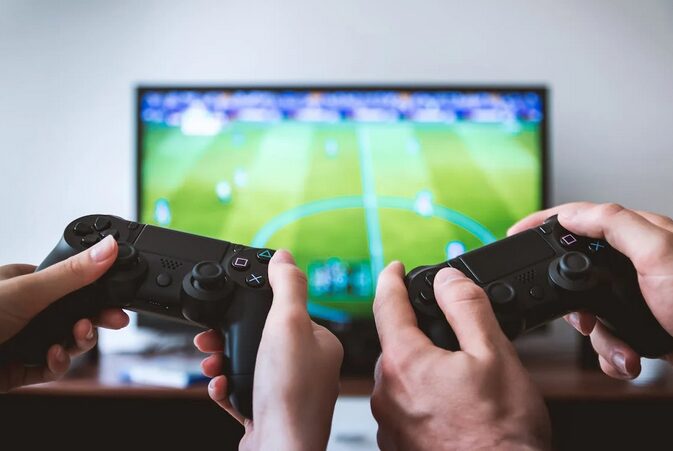
For parents looking to add more creativity to their child’s digital and offline activities, exploring creative Minecraft project ideas can provide a perfect complement to gaming, blending imagination with hands-on learning. However, one of the most frequent errors parents make is overlooking age ratings on game packaging or digital stores. Ratings, such as those provided by ESRB or PEGI, offer critical guidance about the appropriateness of violence, language, or themes for children. A game rated for teenagers may contain scenes that are emotionally or psychologically unsuitable for younger players. Even if your child is curious or seems mature, it’s crucial to respect these ratings. Ignoring them can lead to exposure to content that is stressful, frightening, or difficult to process. Always read reviews and content summaries to ensure the game aligns with your child’s age and developmental stage.
Overlooking Educational or Skill-Building Value
Another common mistake is choosing games solely for entertainment, ignoring their potential for learning or skill development. Many modern games promote problem-solving, critical thinking, creativity, and collaboration. Puzzle-solving games, strategy-based simulations, or construction games like Minecraft offer an opportunity to develop these skills while still having fun. Neglecting these aspects can result in gaming time that is purely passive and less stimulating. Striking a balance between entertainment and education helps children engage in experiences that contribute to cognitive growth and imaginative play, setting a foundation for real-world skills.
Failing to Monitor Playtime and Game Exposure
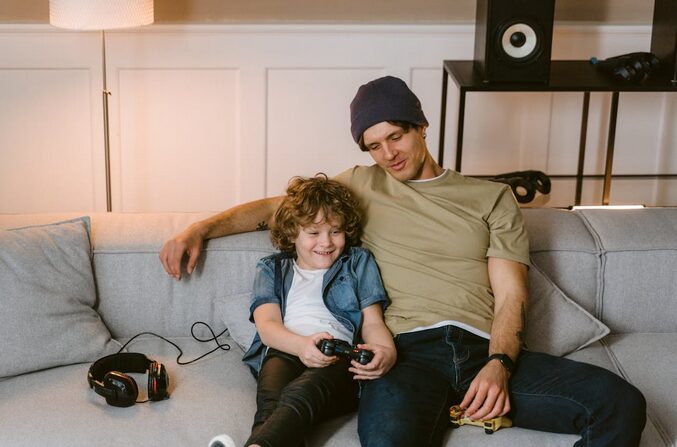
Even age-appropriate games can become problematic if not monitored properly. Excessive playtime can interfere with homework, outdoor activities, and sleep patterns. Parents sometimes underestimate the addictive nature of immersive games, which can lead to frustration or mood swings when limits are enforced. Scheduling gaming sessions, setting daily or weekly limits, and encouraging breaks fosters a healthy routine. It’s also useful to observe your child while playing to see how they interact with the game, whether it promotes cooperation, or if it triggers stress. Proper monitoring creates a balanced gaming environment.
Not Considering Online Interaction Risks
Many popular games allow online interaction with other players, which can be both exciting and risky. Failing to understand these interactions can expose children to inappropriate language, cyberbullying, or unsafe behavior from strangers. Parents sometimes assume that anonymity protects kids, but even moderated games carry risks. It’s important to use parental controls, review communication settings, and discuss online safety rules with your child. Encouraging games with cooperative modes restricted to friends or family members reduces exposure to harmful content and ensures a safer social environment.
Underestimating the Value of Creativity and Hands-on Play
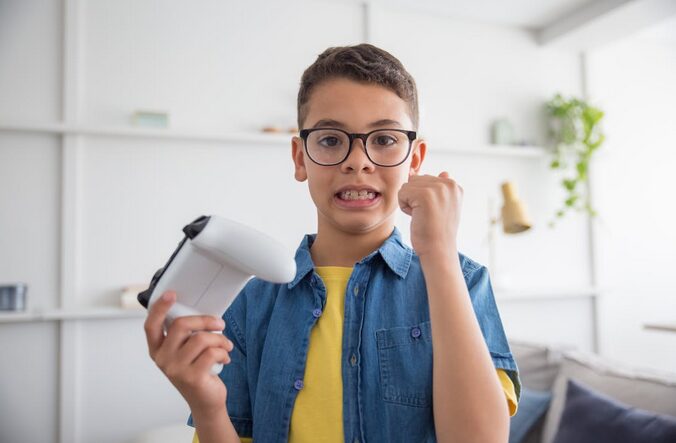
A final mistake is assuming that video games should completely dominate a child’s leisure time. While digital gaming is engaging, integrating creative offline activities enhances imagination and balance. Craft projects inspired by games, model building, and interactive design encourage critical thinking and manual dexterity. For instance, children who enjoy Minecraft can translate digital ideas into real-world creations. Combining screen-based and hands-on play fosters a richer, more holistic learning experience and reduces overreliance on screens. Exploring creative Minecraft project ideas can bridge the gap between digital fun and practical creativity, giving kids more rounded development.
Selecting the right video games for children requires more than simply choosing what’s popular or visually appealing. Avoiding common errors—ignoring age ratings, overlooking educational value, failing to monitor playtime, neglecting online risks, and underestimating creative offline activities—ensures a balanced, safe, and enjoyable gaming experience. Thoughtful selection promotes skill development, imagination, and social interaction while reducing exposure to unsuitable content. By being attentive to these factors, parents can cultivate positive gaming habits that complement other forms of play, supporting their child’s overall growth, creativity, and happiness in a digital age filled with exciting opportunities.
 Gaming can help develop problem-solving skills and creativity by encouraging players to develop creative strategies to progress through the game. This could be especially beneficial for children who want to increase their critical thinking and reasoning skills. There are games specifically designed to help children develop these skills.